
Boutique




The History of the Advent Calendar: A German Christmas Tradition
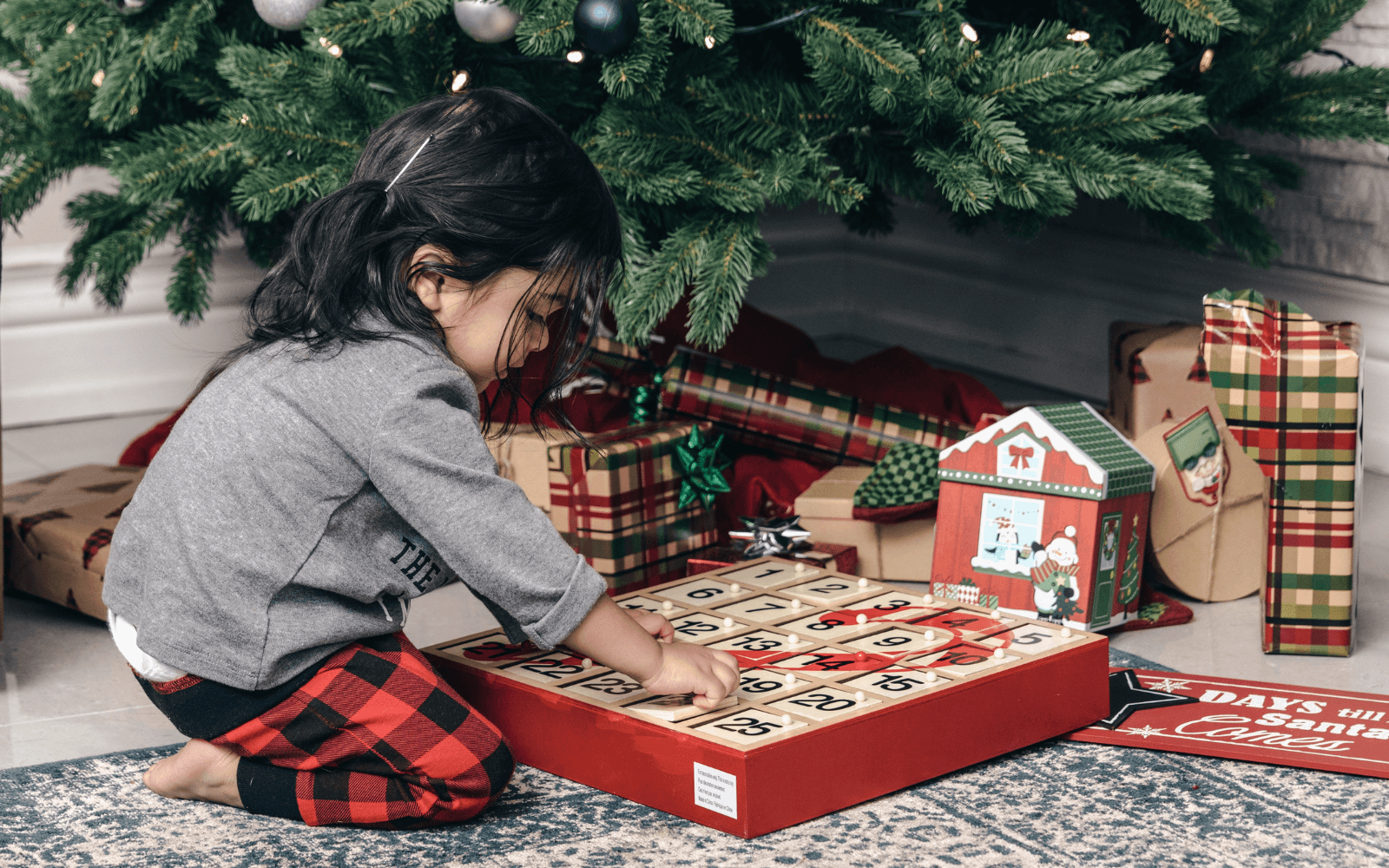

Opening the first door of an Advent calendar is a special moment. For children, it means Christmas is getting closer. For adults, it often brings back memories of December mornings and the excitement of waiting.
This much-loved tradition began in Germany, where families found simple ways to make the days before Christmas meaningful.
How the Advent Calendar Began
During the 19th century, German families helped children count the days until Christmas with small daily rituals. Some hung a new picture each day, while others made chalk marks on a door and let children erase one at a time. These early customs gave children a way to follow the passing days and something to look forward to.
The idea was simple: make waiting part of the celebration.
 From Paper Pictures to Little Doors
In the early 1900s, German publisher Gerhard Lang helped shape the printed Advent calendar. Working with illustrator Ernst Kepler, he created calendars with verses and colourful pictures that children could cut out and paste into place.
Later designs introduced little doors to open, followed by calendars containing chocolate. Today, Advent calendars hold everything from traditional pictures and sweet treats to small gifts and handmade surprises. Their appeal remains the same: one little discovery each day as Christmas approaches.
Curious about the early Advent calendars? Explore historical designs and their story in the Swiss National Museum’s article on Christmas traditions.
The Herrnhuter Advent Calendar and Moravian Stars
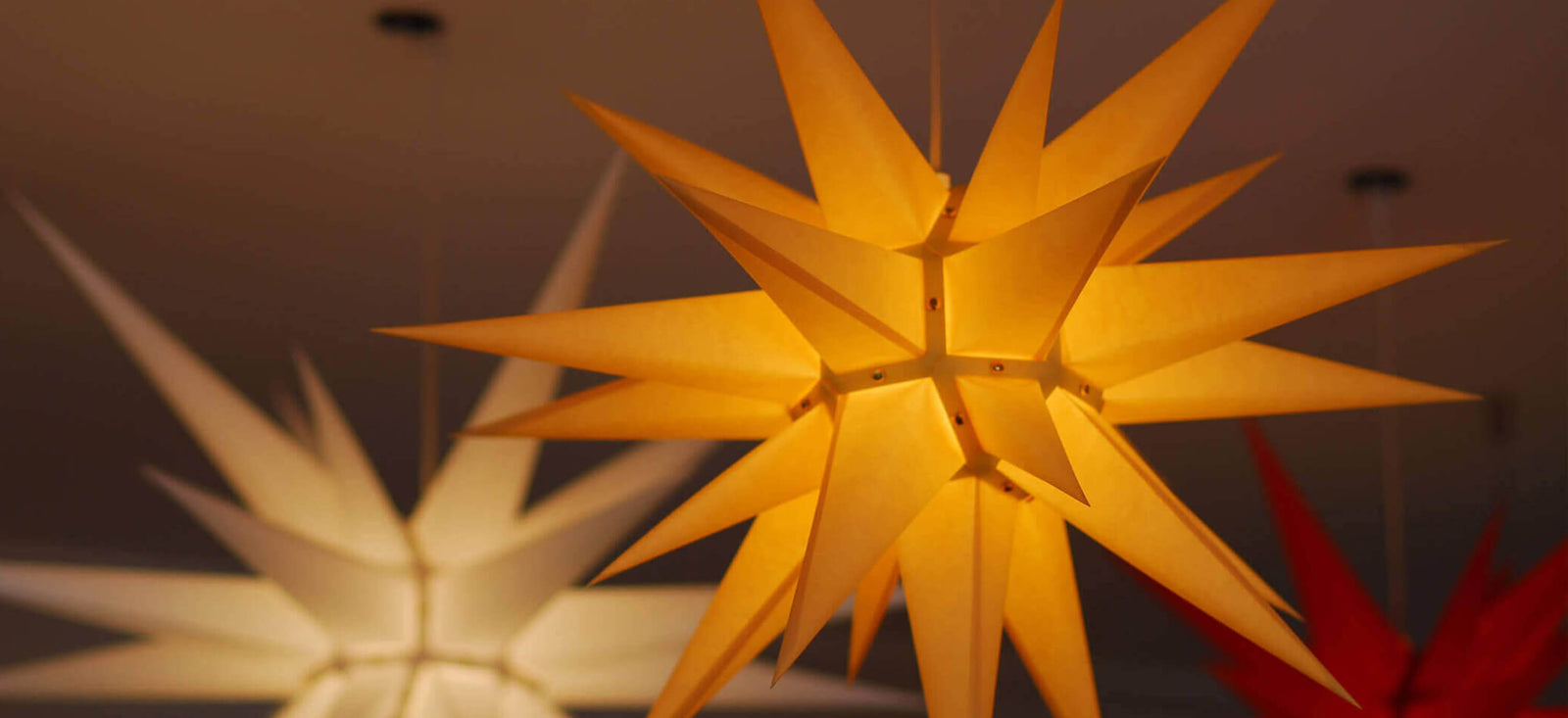
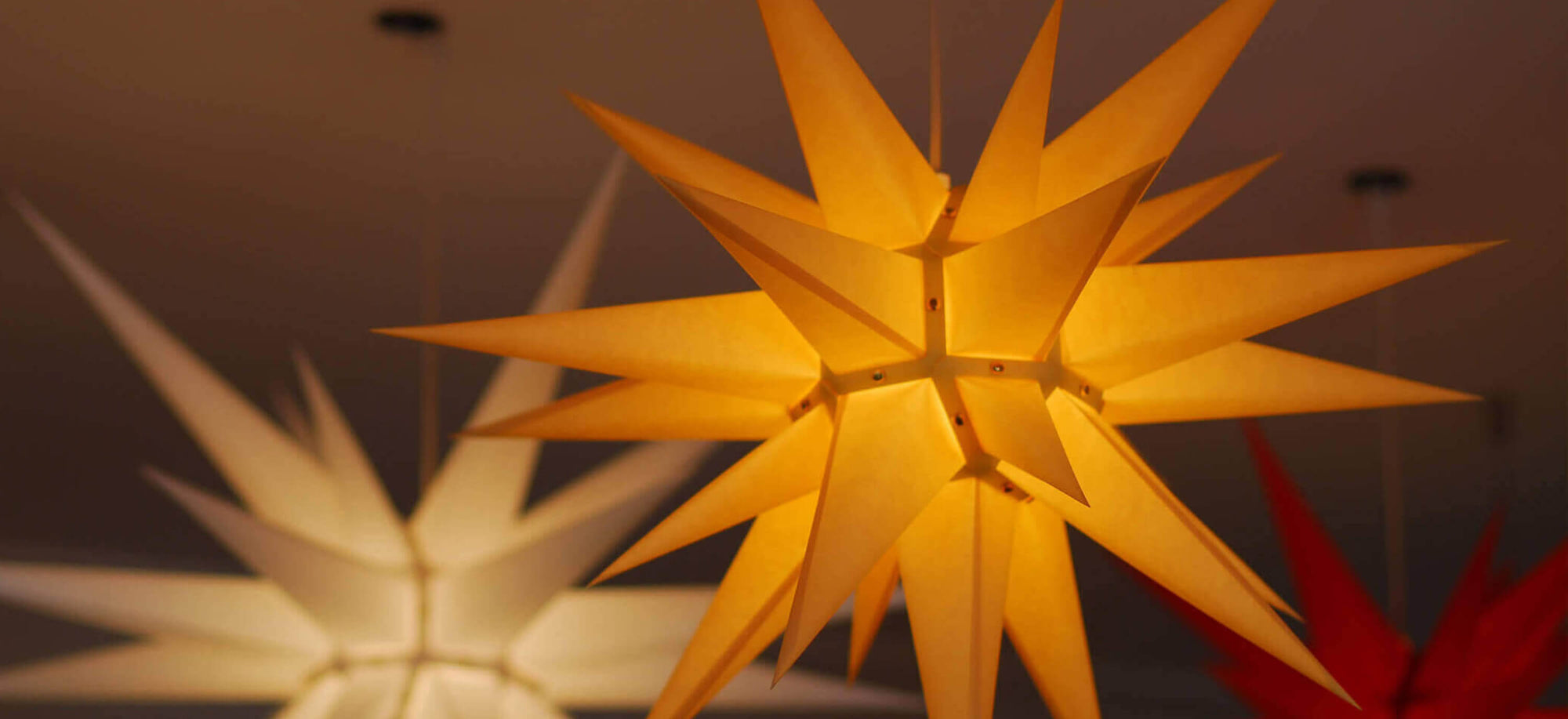
Known for its authentic Moravian stars, Herrnhuter also offers an Advent calendar, bringing another way to enjoy the anticipation of Christmas. These calendars have quickly become another collectible in the Herrnhuter product range, giving enthusiasts a new tradition to enjoy alongside their favourite stars.
Small Moments, Lasting Memories![]()

Whether you choose a traditional paper calendar or fill your own with thoughtful surprises, an Advent calendar invites you to pause and enjoy the season.
At MyBrilliantStar, we love these simple rituals that connect generations. A little anticipation each morning, a moment shared with family, and a familiar tradition can make the weeks before Christmas just as memorable as the celebration itself.
Discover authentic German Christmas traditions and bring a little more warmth to your Advent season.
Your MyBrilliantStar Team
Frequently Asked Questions About Advent Calendars
1. Where did the Advent calendar originate?
The Advent calendar originated in Germany. During the 19th century, families used pictures, chalk marks, and other daily rituals to help children count the days until Christmas.
2. Who created the printed Advent calendar?
German publisher Gerhard Lang helped develop the printed Advent calendar in the early 1900s. His early designs featured colourful pictures that children could cut out and paste into place. Later calendars introduced doors to open and chocolate treats.
3. When do you start opening an Advent calendar?
Most Advent calendars start on December 1 and finish on December 24, Christmas Eve. You open one numbered door each day. This fixed countdown differs from the Christian Advent season, which begins on the fourth Sunday before Christmas.
4. Are Advent calendars only for children?
Advent calendars are enjoyed by children and adults alike. Traditional picture calendars, chocolate calendars, and editions featuring crafts or keepsakes offer different ways to enjoy the countdown to Christmas.
5. What is the Herrnhuter Advent calendar?
The Herrnhuter Advent calendar contains components for assembling an authentic Herrnhuter Moravian star, along with seasonal surprises. For example, the 2026 edition featured a turquoise-and-white star and traditional German incense from HUSS Incense. The finished star becomes a keepsake to enjoy in future Christmas seasons.